Delton DIY Composting Toilets vs. Professional Chemical Units

Barry County Portables helps Delton property owners and event planners compare DIY composting toilets with professional chemical units for cabins, job sites, and outdoor gatherings. In Barry County's humid summers, freeze-thaw winters, and rural lakefront areas around Yankee Springs and Dowling, professional rentals simplify waste control, odor management, and compliance when access or drainage is limited.

DIY Composting Toilets: When Professional Units Make More Sense

We've seen plenty of weekend warriors try DIY composting toilets without understanding the complex sanitation requirements. While the concept sounds eco-friendly, professional portable sanitation units deliver reliable waste management that meets OSHA compliance. DIY setups often lack proper ventilation, create unexpected odor issues, and struggle with waste decomposition. Our professional sanitation expertise ensures clean, safe waste handling for events, construction sites, and remote locations.

Key Considerations

  • Understand DIY composting toilet limitations
  • Evaluate professional chemical unit advantages
  • Consider sanitation regulations and safety
  • Assess maintenance requirements for both systems
Comparing DIY Composting Toilets and Professional Chemical Units

Explore key operational differences between DIY composting toilets and professional chemical units for portable sanitation.
Excluded Service Reason for Exclusion Alternative Recommendation
Installation Complexity DIY composting toilets require precise setup to ensure proper ventilation and waste breakdown. Hire professionals for chemical units to guarantee regulatory compliance.
Maintenance Frequency Composting units demand regular monitoring of moisture and temperature to avoid odors. Schedule routine chemical unit servicing for optimal sanitation.
Waste Disposal Methods Composting toilets convert waste on-site while chemical units need periodic pumping and disposal. Use licensed disposal services for chemical waste removal.
Environmental Impact Composting toilets reduce chemical usage, lowering environmental contamination risks. Select composting units in environmentally sensitive areas.
Cost Considerations DIY units have lower upfront costs but may require more labor and monitoring. Evaluate long-term operational expenses before deciding.

Need a cleaner site solution in Delton, MI?

Chemical units simplify service, odor control, and compliance for most sites.

Choosing Between DIY Composting and Professional Chemical Toilets

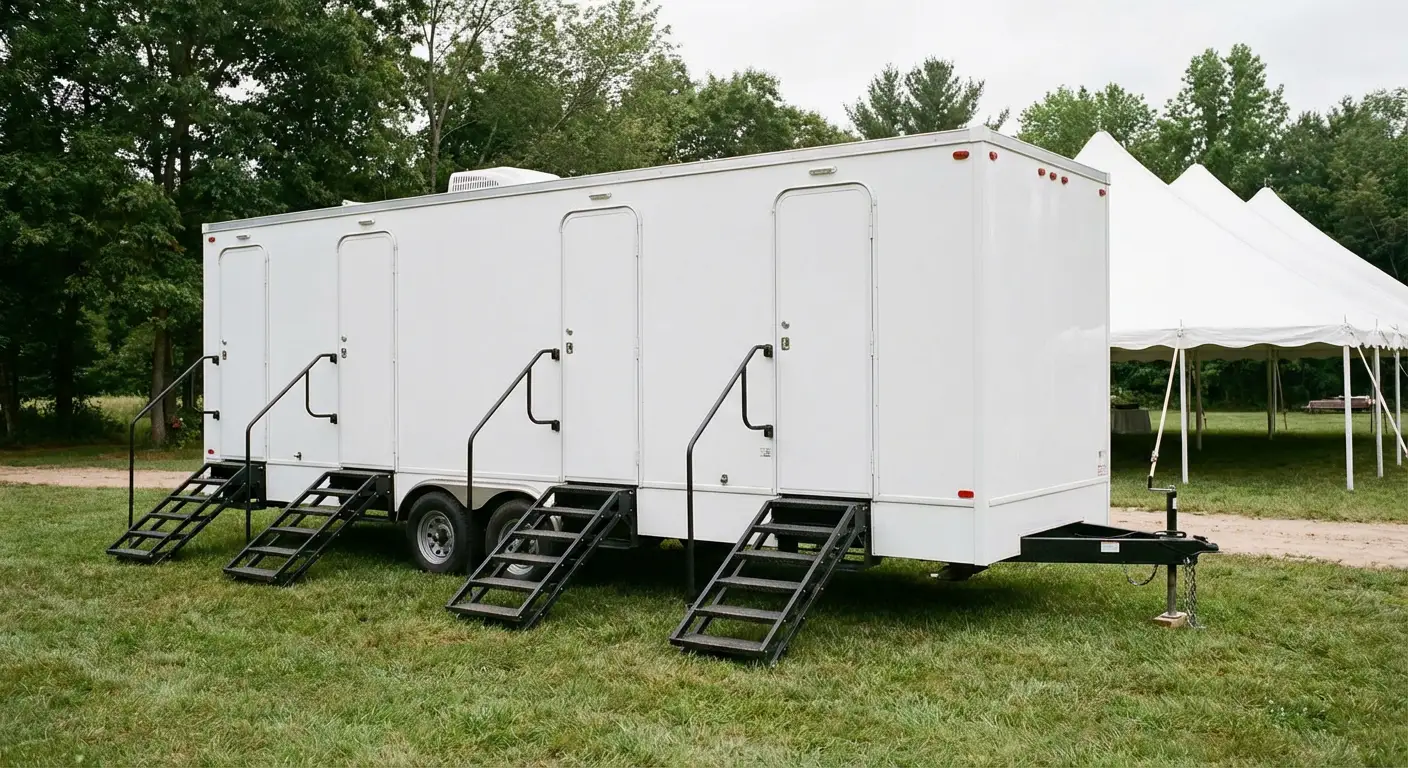
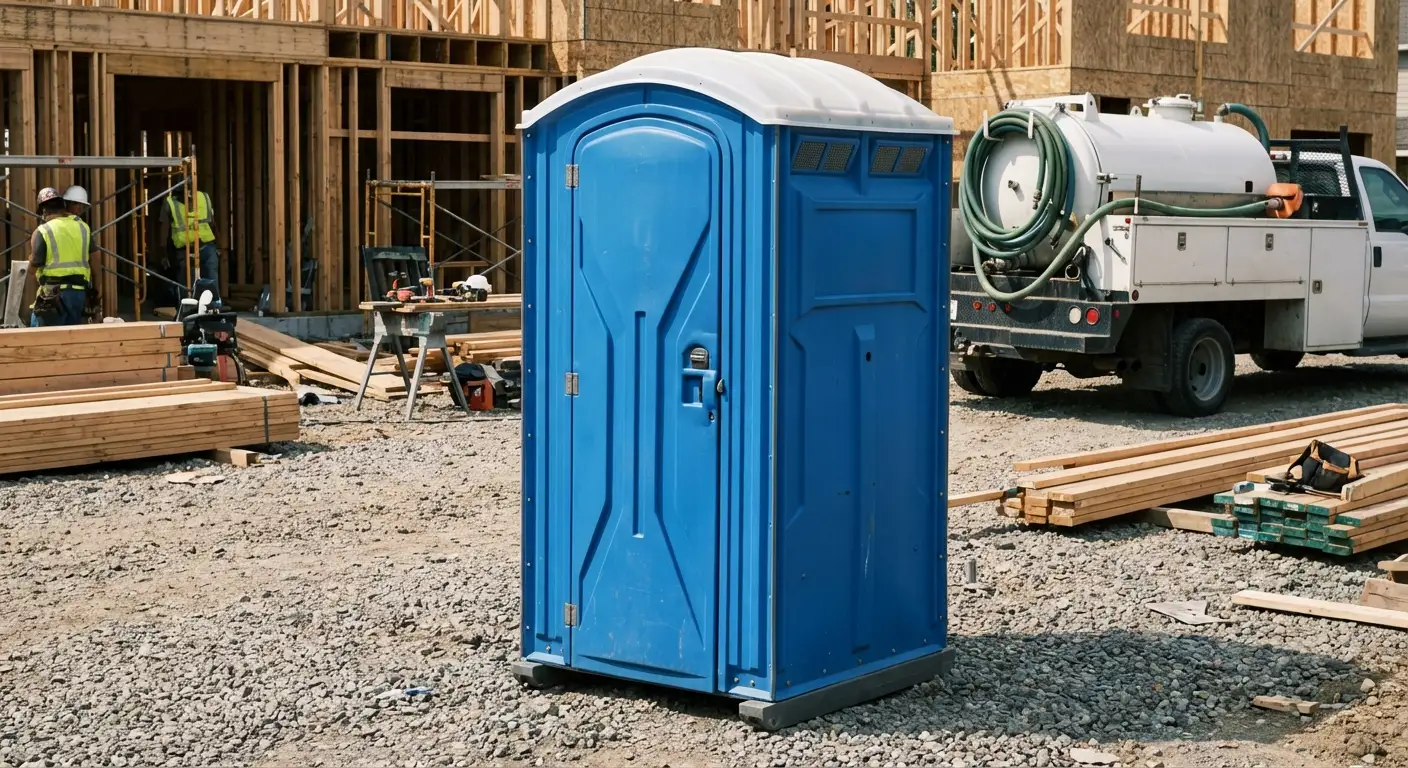
When deciding between a DIY composting toilet and a professional chemical unit, there's more to consider than just cost. We've seen Delton events go sideways when folks underestimate the work involved in composting systems—especially in Michigan's unpredictable weather. Our standard construction units with ventilation stack designs handle 300+ uses before needing service, while composting toilets demand daily attention. For outdoor weddings or job sites, the luxury restroom trailers with climate-controlled interiors prevent the mess we often see with homemade solutions. Remember: what works for a backyard garden might not cut it for public events.

Key Considerations for DIY Management

  • DIY composting toilets require regular maintenance and proper ventilation to prevent odors
  • Professional chemical units come with built-in waste management systems for hassle-free use
  • Composting toilets are eco-friendly but may not meet all event or construction site requirements
  • Chemical units are equipped with features like fresh water flush for better hygiene
  • Consider local regulations and ADA event requirements when choosing between options

DIY Composting Toilets vs. Professional Chemical Units: What Works Best in Delton

Running sanitation services in Delton means dealing with unpredictable weather and event demands. We’ve learned that while DIY composting toilets offer an eco-friendly appeal, they require strict upkeep and user discipline. Professional chemical units deliver reliable odor control, waste containment, and quick maintenance, crucial for keeping events running smoothly. That balance of practicality and environmental care shapes how we approach every job.

  • Proper Waste Management

    DIY composting toilets require careful monitoring to break down waste safely, avoiding odors and contamination. Professional chemical units use formulated chemicals to neutralize waste quickly and reduce maintenance hassles.

    In Practice

    Our crew has seen compost units back up when users miss layering materials, while chemical units stay odor-free even in heavy-use scenarios.

  • Ease of Maintenance

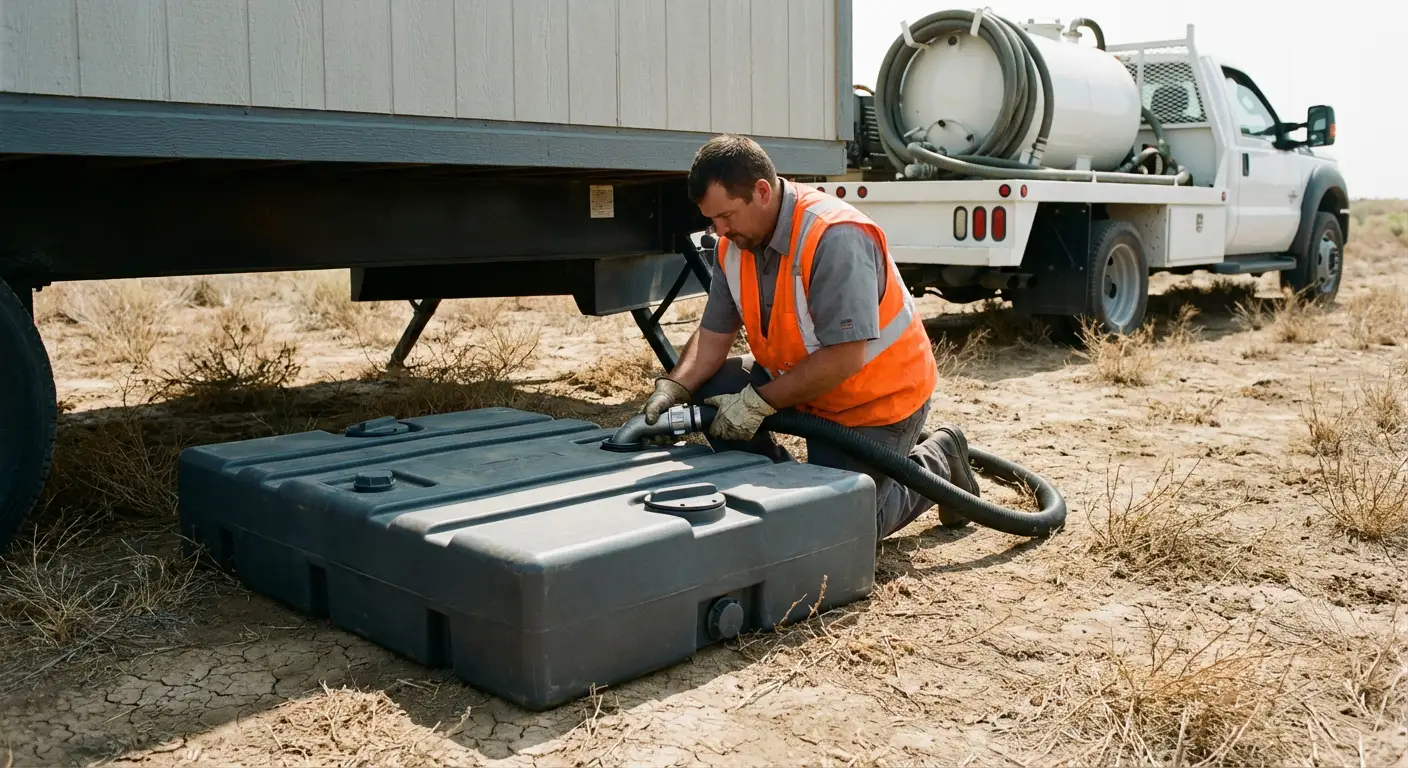
    Chemical units are designed for straightforward servicing with sealed tanks and chemical treatments, cutting down on cleaning time. Composting toilets need routine stirring and moisture checks, demanding more hands-on care.

    In Practice

    We’ve spent hours troubleshooting compost toilets failing mid-event, but chemical units just need regular pump-outs and chemical replenishment.

  • Suitability for Event Duration and Size

    Composting toilets work best for small groups over extended periods, while chemical units handle large crowds and short-term events without odor issues or overflow risks.

    In Practice

    At Delton’s fairgrounds, chemical units kept pace with peak visitor flow, unlike DIY compost setups that struggled after a few busy days.

  • Environmental Impact and Compliance

    Composting toilets reduce water use and produce organic material but risk local contamination if mismanaged. Chemical units comply with sanitation regulations and contain waste securely for proper disposal.

    In Practice

    We always ensure chemical units meet EPA and DEQ standards, which isn’t guaranteed with home-built compost systems.

We get it there fast, we keep it clean. No fuss.

DIY Composting Toilets vs. Professional Chemical Units in Delton

We get it fast, keep it clean, and know what holds up when Delton weather turns ugly.

High-Volume Job Sites in Delton, MI A muddy county fairground in Delton, MI after spring rain, our crew unloading a professional chemical portable toilet beside a DIY composting toilet setup with ventilation pipe, hand sanitizer, leveling blocks, service truck in background, overcast sky, realistic trade-documentary photo

Fairground Cleanup After the Thaw

After that rough 2007 Delton winter, we saw how fast mud and meltwater turn a DIY setup into a headache. A composting toilet needs dry bedding, steady airflow, and careful upkeep. Our chemical unit stays stable, locks odors down, and keeps fairgoers comfortable when the ground's soft and the weather keeps changing.
Rustic Outdoor Weddings in Delton, MI Close-up inside a clean professional chemical portable toilet with blue solution tank, toilet paper dispenser, vent pipe, sturdy floor, and hand sanitizer, contrasted with a backyard DIY composting toilet made from wood and buckets in the background, practical service-biz realism

Clean, Simple, and Built for Busy Traffic

When folks are coming and going all day, we lean on chemical units because they handle heavy use without fuss. We service them with the right deodorizer, fresh paper, and a full cleanout routine. DIY composting toilets work best when one person knows the system inside and out, but public traffic changes the game fast.
Long-Term Remote Projects in Delton, MI Barry County Portables crew in work boots placing a level professional portable toilet on gravel at a small event site in Delton, MI, with hand tools, hose, sanitizer, and cloudy Michigan weather, authentic local service scene

Set It Level, Keep It Smelling Right

We remember checking soggy ground by the fairgrounds and having to reset units because the surface kept settling overnight. A chemical toilet gives us a predictable finish: level placement, sealed tank, and easier maintenance for our crew. That kind of control matters when the weather's ugly and the event still has to run clean.

Waste System Comparisons for Delton Properties

Local considerations for composting and chemical toilet options in Barry County.

What maintenance does a DIY composting toilet require in Delton's seasonal climate?
Delton winters freeze compost piles. DIY units need insulated chambers and monthly turning to maintain decomposition. Barry County Portables handles seasonal servicing for chemical units.
How do Barry County chemical units comply with Barry County DEQ waste regulations?
Barry County Portables uses EPA-approved blue solution in tanks. DIY systems must self-test leachate for DEQ compliance at Bass River waste stations.
Can DIY composting toilets handle volume at Delton Music Festival events?
Composting toilets clog under high traffic. Barry County Portables deploys 500-gallon chemical units with pump trucks for multi-day events at Hickory Corners Fairgrounds.
What's the odor difference between DIY and chemical units in summer heat?
Unvented DIY systems emit ammonia near Chain O' Lakes campgrounds. Professional tanks contain odor with formaldehyde-free solutions and sealed vacuum pumps.
Do Delton zoning laws allow composting toilets in residential areas?
Barry County allows composting toilets with DEQ permits. Most Delton neighborhoods prohibit them unless connected to municipal sewer like Lake Delton Estates requires.
How do transport regulations differ for DIY versus professional waste?
Michigan DOT requires licensed haulers for chemical waste transport. DIY compost must go to Barry County landfill with prior approval, not curbside pickup.

Sustainable Sanitation Solutions for Rural Barry County

Explore eco-friendly composting toilet options that reduce environmental impact and provide reliable waste management for remote locations and outdoor projects.

Request Composting Toilet Consultation

EPA-aligned waste management practices serving Delton and surrounding Michigan communities